Dive Support Vessel Long Island NY

Safe Platform. Steady Position. Crew Gets Home.

When your divers are 50 feet down working on critical infrastructure, the last thing you need is a vessel that can’t hold station or a crew that doesn’t know these waters. We deliver dive support vessels built for the job—USCG inspected, properly configured, and backed by 30+ years on Long Island’s coastline.

USCG Inspected Fleet

Every vessel meets federal safety standards and commercial diving requirements. No surprises when regulators show up to your job site.

30 Years Local Experience

We know Long Island Sound, offshore conditions, and weather patterns better than operators shipping vessels in from elsewhere.

Configurable Dive Platforms

4-point anchors, cranes, A-frames, deck space, and living quarters adapt to your specific dive operation without forcing compromises.

Fleet From 25' to 145'

Whether you're working shallow harbors or offshore wind sites, there's a properly sized vessel ready to support your dive team safely.

Commercial Diving Support Vessels

The Platform Your Dive Team Actually Needs

A dive support vessel is more than just a boat. It’s a working platform that keeps your commercial divers safe, positioned, and productive throughout the operation. We provide surface supplied diving platforms equipped with proper anchor systems, dive control capabilities, and deck configurations that support everything from underwater inspections to subsea construction. Your dive team needs a stable platform that maintains position accurately, carries all necessary equipment, and provides emergency backup systems. The vessel becomes the lifeline—literally—for divers working below. That’s why we operate USCG inspected vessels with experienced crews who understand the responsibility of supporting underwater operations. From Port Jefferson across Long Island waters to offshore sites, these platforms are configured for the realities of commercial diving work, not adapted from vessels built for other purposes.

Dive Support Platform Advantages

What Happens When the Vessel Works Right
The right dive support vessel doesn’t just float—it actively contributes to safer operations, faster project completion, and fewer expensive delays that eat into your bottom line.

Call Miller Marine Services

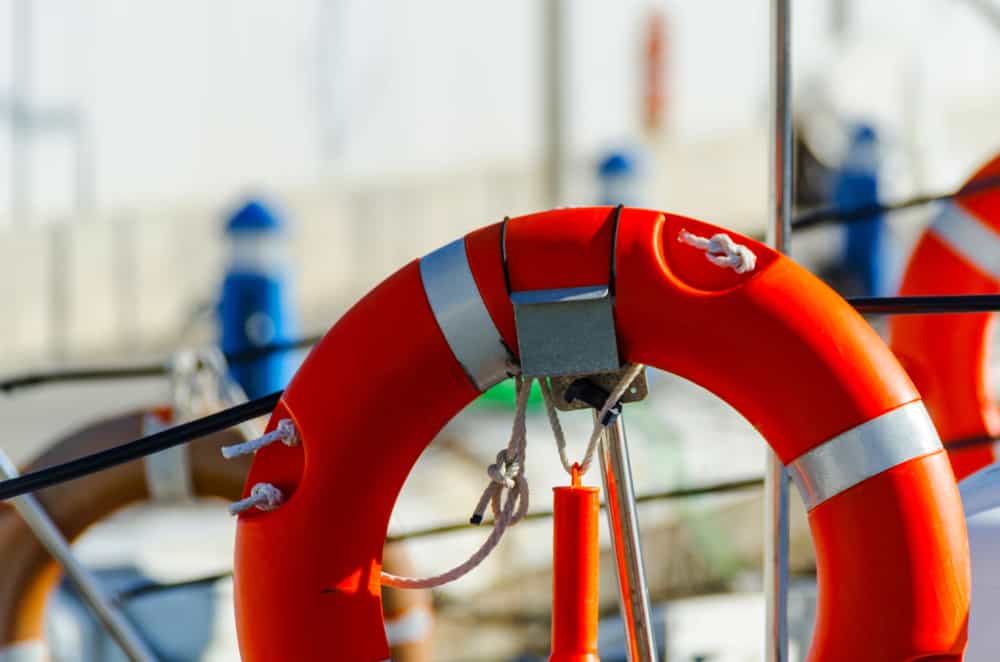
orange lifebuoy attached to boat

Surface Supplied Diving Operations

Why Surface Supply Beats SCUBA Every Time

Commercial diving contractors know that surface-supplied air diving outperforms SCUBA for professional underwater work. The diver stays connected to the vessel through an umbilical that provides breathing gas, communications, hot water for thermal protection, and power for tools and cameras. This setup allows longer bottom times, better safety margins, and real-time monitoring that SCUBA simply can’t match. Our dive support vessels are configured as proper surface supplied diving platforms. The vessel maintains the compressors, gas storage, dive control station, and emergency systems that keep the diver working safely. When you’re paying a commercial dive team by the day, you need them productive underwater—not surfacing every 30 minutes to change tanks. Surface supply keeps them down longer, working more efficiently, with constant communication to the surface. The difference shows up in project timelines and costs. A properly supported surface-supplied diver can complete underwater inspections, repairs, or construction work that would take SCUBA divers multiple days to finish. For subsea maintenance, pipeline work, or marine construction projects across Long Island, surface supply from a stable platform is how professional diving gets done.

DSV Marine Services Long Island

What's Actually Included in Dive Support

A dive support vessel from us comes equipped for real commercial diving operations. That means 4-point anchor systems that hold position in current and weather, not just a couple of anchors that might work in calm conditions. It means cranes and A-frames for deploying equipment and handling heavy gear. It means adequate deck space for your dive spread, decompression equipment, tools, and the crew who needs room to work safely. The larger vessels include living quarters because multi-day operations or offshore work can’t rely on daily crew transport. When weather shuts down small boat traffic but your project window is closing, having accommodations onboard keeps the operation moving. Some vessels can house up to 16 personnel with onboard cooking facilities, turning the platform into a self-sufficient work base. We configure vessels to match project requirements. Underwater inspection and repair jobs need different setups than subsea construction or pipeline support. Our experience supporting offshore wind development, marine construction, and environmental projects means we understand what works—and what creates problems that cost you time and money. You get a platform set up correctly from the start, not a vessel that’s “close enough” and forces your dive team to improvise workarounds.
Offshore Support Vessel
Dive Support Vessel FAQs

Common Questions About Our Service

A proper dive support vessel needs several critical capabilities beyond just floating near the dive site. First, it must maintain accurate position throughout the dive operation, either through dynamic positioning systems or properly configured anchor patterns—typically 4-point anchor systems for commercial work. The vessel needs adequate deck space for dive spreads, compressors, gas storage, decompression equipment, and the crew working topside. It should have proper dive control stations for monitoring divers and managing breathing gas delivery. For extended operations, living quarters become essential so crews aren’t dependent on daily transport that weather can shut down. Our USCG inspected vessels are configured specifically for these requirements, not adapted from boats built for other purposes. Our crews understand how to maintain station during dive operations, handle equipment safely, and support the dive team throughout the job. That combination of proper vessel configuration and experienced crew operation is what separates actual dive support platforms from boats that might work in perfect conditions but create problems when things get challenging.
Maintaining accurate position is critical during commercial diving operations because the diver is tethered to the vessel through an umbilical. If the vessel drifts or can’t hold station, it creates dangerous situations for the diver below. Professional dive support vessels use either dynamic positioning (DP) systems or multi-point anchor configurations to stay put. Four-point anchor systems are common for commercial diving work because they provide stability in current and weather from multiple directions. The anchor pattern gets set before diving begins, and the vessel maintains position throughout the operation. For some projects, dynamic positioning uses computer-controlled thrusters to automatically maintain position based on GPS and sensor input, which works well for deeper water or areas where anchoring isn’t practical. Our vessels are equipped with proper positioning systems matched to the work environment—whether that’s Long Island Sound, offshore wind sites, or harbor projects. Our crews know how to set anchor patterns correctly and monitor position throughout the dive, making adjustments as conditions change. That positioning stability is what allows surface-supplied divers to work safely and productively without constantly dealing with vessel movement affecting their umbilical.
The main differences come down to size, sea-keeping ability, and onboard capabilities. Shallow water dive support vessels, like the 65-foot utility boats in our fleet, work well for harbor projects, pier inspections, pipeline work in protected waters, and other operations where you’re not dealing with open ocean conditions. They’re more maneuverable in tight spaces and can access areas where larger vessels can’t go. Offshore dive support vessels need to be bigger—100 feet and up—to handle rougher sea conditions and provide stable working platforms in weather that would shut down smaller boats. The larger vessels also carry more equipment, have greater fuel capacity for extended operations, and typically include living quarters so crews can stay onboard for multi-day projects. For offshore wind farm support or subsea work miles from shore, you need that offshore capability. We operate both types, which means you get the right platform for your specific project location and conditions. Using an offshore vessel for shallow harbor work is overkill and costs more than necessary. But trying to run an offshore operation with a vessel that’s too small creates safety issues and weather delays that end up costing far more than chartering the right platform from the start.
Surface-supplied diving keeps the diver connected to the vessel through an umbilical that provides breathing gas, communications, hot water for thermal protection, and sometimes power for tools and cameras. The diver wears a diving helmet or full-face mask instead of a SCUBA regulator, and all their life support comes from systems on the vessel rather than tanks on their back. This setup allows much longer bottom times because you’re not limited by tank capacity—the surface compressors provide continuous breathing gas. Communication is constant through the umbilical, so the dive supervisor can talk with the diver in real time, unlike SCUBA where you’re using hand signals. The hot water system pumps warm water through the diver’s suit, which is crucial for extended work in cold water like you find around Long Island. Commercial diving contractors prefer surface supply for professional work because it’s safer, more efficient, and allows divers to stay down completing tasks instead of surfacing repeatedly to change tanks. Our dive support vessels are set up as proper surface-supplied diving platforms with the compressors, gas storage, dive control equipment, and emergency backup systems that this type of diving requires. For underwater inspections, subsea construction, or marine infrastructure work, surface supply from a stable vessel platform is the professional standard.
Any vessel supporting commercial diving operations in US waters should be USCG (United States Coast Guard) inspected and certified for the type of work being performed. These inspections verify that the vessel meets federal safety standards, has proper equipment, and is maintained correctly. The inspection covers everything from hull integrity and stability to fire suppression systems, life-saving equipment, and operational capabilities. For commercial diving work specifically, the vessel should meet requirements for carrying diving equipment, maintaining proper deck load capacities, and supporting the number of personnel onboard. We operate USCG inspected vessels that undergo regular inspections to maintain certification. Beyond the vessel itself, you should also verify that the crew holds proper merchant mariner credentials and that the diving operations follow ADCI (Association of Diving Contractors International) standards if applicable to your project. Some clients also require specific insurance coverage and safety management documentation. The point is that proper certifications and inspections aren’t optional extras—they’re fundamental requirements for legal commercial diving operations. If a vessel provider can’t show current USCG inspection documentation, that’s a red flag that could shut down your entire project if regulators show up. Our fleet maintains proper certifications because that’s what professional operations require, not because it’s a nice-to-have feature.
Booking timelines depend on the project scope, vessel requirements, and how busy the season is. For straightforward projects using standard vessel configurations, we can often mobilize within days if a suitable vessel is available. More complex operations requiring specific equipment setups, custom configurations, or coordination with other marine services might need a few weeks of lead time for proper planning and preparation. The offshore wind boom in the Long Island region has increased demand for support vessels, so booking earlier helps ensure availability during peak construction seasons. That said, we maintain a diverse fleet ranging from 25-foot assist boats to 145-foot offshore support vessels, which provides flexibility for different project types and timelines. For emergency response or urgent inspection work, we can move faster than normal because vessels and crews are locally based in Port Jefferson rather than needing to transit from distant ports. The best approach is to reach out as soon as you know your project timeline, even if details are still being finalized. We can discuss vessel options, availability, and what lead time makes sense for your specific diving operation. Early planning also allows time to coordinate any special equipment needs, permitting requirements, or logistics that affect the project schedule. Waiting until the last minute limits your options and might mean settling for a vessel that’s available but not ideal for your operation.

Project Requirements Discussion

We talk through your dive operation specifics—location, depth, duration, crew size, and equipment needs—to match the right vessel configuration to your project.

Vessel Configuration and Mobilization

The selected dive support vessel gets configured with necessary anchor systems, deck equipment, and dive support gear, then mobilizes to your project location.

On-Site Dive Operations Support

Experienced crews maintain vessel position, support your dive team throughout operations, and handle surface logistics so your divers focus on underwater work.