Four Point Moor Vessel Long Island

Your Platform Holds Position While You Work

When subsea construction, diving operations, or offshore projects depend on a vessel staying exactly where you need it, a four point moor system locks you in place through wind, current, and tide without the thruster noise, fuel burn, or position loss risks of dynamic positioning.

US Coast Guard Inspected Fleet

Every vessel in our fleet meets Coast Guard inspection standards, giving you confidence that your work platform is certified, maintained, and ready for demanding offshore operations.

Over Twenty Years Offshore

We've spent decades supporting marine construction, diving operations, and subsea projects across Long Island waters and the northeast coastline.

Project-Specific Vessel Configuration

Each platform comes equipped with the 4-point anchor systems, cranes, A-frames, and deck space your project requires, not a generic setup.

Long Island Water Expertise

Our crew understands local tidal patterns, bottom conditions, and shallow water challenges, ensuring your vessel is positioned correctly from the start.

Marine Construction Support Vessels Long Island

A Work Platform That Stays Put

A four point moor vessel uses four separate anchor legs to hold your work platform in a fixed position. Unlike dynamic positioning systems that rely on thrusters constantly fighting environmental forces, a properly set 4-point mooring system distributes the load across four anchor points, creating a stable base that doesn’t drift. This matters when you’re running dive operations, installing subsea infrastructure, supporting offshore wind construction, or conducting marine surveys. Your divers aren’t dealing with thruster noise and kicked-up sediment. Your equipment isn’t fighting constant vessel motion. Your project timeline isn’t vulnerable to a DP system failure. In shallow water or nearshore environments around Long Island, a moored vessel often makes more sense than expensive dynamic positioning. You get the stability you need without the fuel burn, system complexity, or premium day rates that come with high-spec DP vessels.

Offshore Mooring Services Long Island NY

What Changes with a Properly Moored Platform
When your vessel holds position through a 4-point anchor spread, your crew works safer, your equipment performs better, and your project stays on schedule without fighting the water.

Call Miller Marine Services

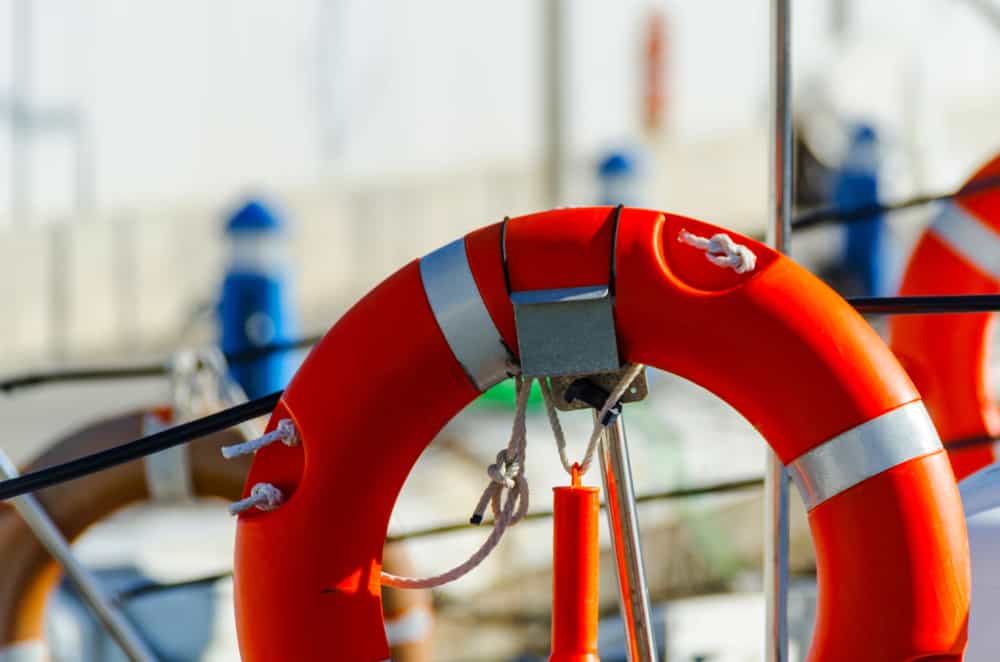
orange lifebuoy attached to boat

4-Point Station Keeping Systems

Why Four Points Beat Two or Three

A two-point moor keeps a vessel from drifting in one direction, but it still swings. A three-point setup adds stability but shifts under changing loads. Four anchor points create a spread that counterbalances forces from multiple directions simultaneously. Each mooring leg consists of an anchor, chain, wire rope, buoys for handling, and rigging hardware connecting everything together. When you set all four legs in the right pattern around your work site, the vessel sits centered with equal tension on each line. Wind pushes from the east, the western anchors absorb the load. Current runs north to south, the spread adjusts automatically. This isn’t theoretical. In Long Island’s coastal waters where you’re dealing with tidal currents, vessel traffic creating wakes, and weather that shifts throughout the day, a quad-point anchor spread keeps your platform steady when simpler mooring systems would have you repositioning constantly. That stability translates directly to safer diving operations, more precise subsea work, and fewer delays caused by environmental conditions you can’t control.

Subsea Construction Support Vessel Services

What's Included in a Moored Work Platform

We don’t just drop four anchors and walk away. Each vessel comes configured for the specific work you’re doing. You get the 4-point mooring system set and tensioned correctly for your location. You get cranes and A-frames if you’re lifting equipment or handling subsea structures. You get deck space laid out for your gear, whether that’s diving equipment, ROV systems, or construction materials. Our fleet ranges from shallow water platforms to offshore support vessels depending on your project depth and location. Living quarters accommodate your crew for extended operations. On-board support includes experienced marine personnel who know how to set anchors in different bottom conditions, adjust tension as needed, and keep the vessel positioned throughout your timeline. You’re also getting two decades of experience supporting marine construction, offshore wind development, pipeline work, and diving operations across the northeast coastline. That means our crew understands what you’re trying to accomplish and how to configure the vessel to make it happen efficiently without learning on your dime.
Offshore Support Vessel
Four Point Moor Vessel FAQs

Common Questions About Our Service

A 4-point mooring system uses four separate anchor legs to physically hold a vessel in position, while dynamic positioning uses computer-controlled thrusters to fight against wind and current. For projects in Long Island’s coastal and nearshore waters, mooring often makes more sense. You’re typically working in shallower depths where DP thrusters kick up sediment and create noise that interferes with diving operations. A moored vessel sits quietly without constant thruster activity, which is safer for divers and uses far less fuel. For projects that keep you on station for extended periods, the cost difference adds up quickly. DP vessels command higher day rates and burn fuel continuously. A properly moored platform holds position without that ongoing expense. The trade-off is mobility. If you need to reposition frequently, DP offers faster moves. But for subsea construction, pipeline work, or diving operations where you’re staying put for days or weeks, a four point moor gives you the stability you need at a lower total cost.
Any project that needs a stable work platform in a fixed location benefits from 4-point mooring. Subsea construction work like installing pipelines, placing underwater structures, or conducting foundation work requires a vessel that stays precisely positioned. Diving operations depend on a moored platform because thruster noise from DP systems fatigues divers and stirred sediment kills visibility. Offshore wind support work, including cable laying, turbine foundation preparation, and survey operations, often uses moored vessels for the combination of stability and cost efficiency. Marine survey projects, environmental monitoring, and research operations that involve deploying equipment to specific locations need the positioning accuracy a quad-point anchor spread provides. Heavy lift operations where you’re using cranes to move equipment or materials require a stable base that doesn’t shift under load. The common thread is that all these projects involve work where vessel movement creates safety risks, reduces precision, or causes delays. A properly moored platform eliminates that variable.
Setup time depends on water depth, bottom conditions, and the specific mooring configuration your project requires. In typical Long Island coastal waters, an experienced crew can deploy and tension a 4-point mooring system in several hours. The process involves positioning the vessel, deploying each of the four anchor legs in the planned pattern, setting the anchors into the seabed, and adjusting tension across all four lines to create a balanced spread. Once the system is set, it can be adjusted if conditions change. If wind direction shifts or current picks up, our crew can adjust tension on individual lines to compensate. If your work site needs to move slightly, the mooring can be repositioned, though that takes more time than the initial setup. The key advantage is that once you’re moored, you stay moored without the constant fuel burn and system monitoring that dynamic positioning requires. For projects lasting days or weeks, that stability and simplicity often outweigh the time investment in the initial setup.
Four point mooring systems work across a wide range of depths, but they’re particularly effective in the shallow to moderate depths common around Long Island’s coastal and nearshore areas. The system adapts to different bottom conditions, from sand and mud to harder seabeds, though anchor type and deployment method adjust based on what you’re setting into. In very deep water, the length of mooring line required and the complexity of the system can make dynamic positioning more practical. But for the majority of marine construction, diving, and subsea work happening in Long Island waters, you’re in the depth range where mooring makes both technical and economic sense. Our team evaluates your specific location during project planning to confirm the mooring configuration will work for your site conditions. That includes reviewing water depth, bottom type, current patterns, and any obstructions or existing infrastructure that affects anchor placement. The goal is to set a mooring spread that holds your vessel stable throughout your project timeline without repositioning.
We provide complete vessel packages configured for your specific project. That means you get the vessel itself, the 4-point mooring system, the experienced crew to set and manage the mooring, and any additional equipment your work requires like cranes, A-frames, or deck space for your gear. Our vessels are US Coast Guard inspected and come equipped with the modern technology needed for safe, efficient marine operations. Depending on your project, living quarters accommodate crew for extended offshore work, and support services can include everything from ROV operations to supply runs. Our approach is turnkey. You’re not piecing together a vessel from one provider, mooring equipment from another, and crew from a third source. We handle the complete package, drawing on over twenty years of experience supporting marine construction, diving operations, and offshore projects across Long Island and the northeast coastline. That integrated approach means fewer coordination headaches and a crew that understands how all the pieces work together.
The difference comes down to experience, local knowledge, and the right equipment for Long Island waters. We’ve been supporting marine construction and offshore projects in this area for over two decades. Our crew knows the tidal patterns, the bottom conditions, the weather challenges, and the specific requirements of working in Long Island’s coastal and nearshore environments. Our vessel fleet includes US Coast Guard inspected platforms specifically configured for 4-point mooring operations, with the cranes, A-frames, deck space, and support systems that marine construction and diving projects actually need. You’re not getting a general-purpose vessel adapted for mooring work. You’re getting platforms purpose-built for this type of operation. We also bring experience supporting the full range of marine projects, from offshore wind development to subsea construction to diving operations. That breadth means we understand what different types of projects require and how to configure vessels accordingly. When you charter a four point moor vessel from us, you’re working with a local operator who’s done this work in these waters for years, not a distant contractor learning your project site on the fly.

Site Assessment and Planning

Our team evaluates your work location, water depth, bottom conditions, and project requirements to determine optimal anchor placement and mooring configuration.

Anchor Deployment and Tensioning

Each of the four mooring legs is set in the planned pattern, with anchors embedded in the seabed and lines tensioned to create a balanced spread.

Vessel Positioning and Operations

Your platform is positioned at the center of the mooring spread and held stable throughout your project, with adjustments made as conditions require.