Offshore Cable Installation Long Island NY

Cables Laid Right the First Time

You need offshore cable installation that doesn’t blow timelines or budgets. We bring 20+ years of Long Island experience, Coast Guard inspected vessels, and crews who’ve actually done this work in these exact waters to keep your offshore cable installation project moving forward.

Coast Guard Inspected Fleet

Every vessel meets federal safety and operational standards. You're working with equipment that's been vetted for the challenging conditions offshore work demands.

20 Plus Years Local Experience

We know Long Island waters, weather patterns, and what actually works here. That knowledge keeps your cable installation on schedule when conditions change.

Configured for Your Project

Four-point anchors, cranes, A-frames, and room for your crew and gear. We set up vessels specifically for what your offshore cable installation requires.

Offshore Wind Farm Proven

We've supported major renewable energy projects in this region. Your offshore cable installation benefits from our direct involvement in Long Island's wind development.

Submarine Cable Laying Services NY

What Offshore Cable Installation Actually Involves

Offshore cable installation is the process of deploying subsea power cables from offshore wind turbines or substations to onshore grid connections. It requires specialized marine vessels, precise route planning, seabed preparation, cable laying, and burial to protect the infrastructure from fishing activity and environmental forces. For Long Island projects, this means navigating complex permitting, understanding local marine conditions, and coordinating with multiple stakeholders while keeping the project moving. The work spans from shallow nearshore waters where horizontal directional drilling connects to land, through varying depths where different burial techniques apply, to deeper offshore sections where cables must follow engineered routes. You need a marine services partner who understands the full scope and has the vessels and experience to execute each phase without the delays that come from learning on your project.

Subsea Power Cable Installation Benefits

What You Get When It's Done Right

Offshore cable installation done correctly means your renewable energy project hits milestones, your cables stay protected, and you’re not scrambling to fix problems that shouldn’t have happened in the first place.

Call Miller Marine Services

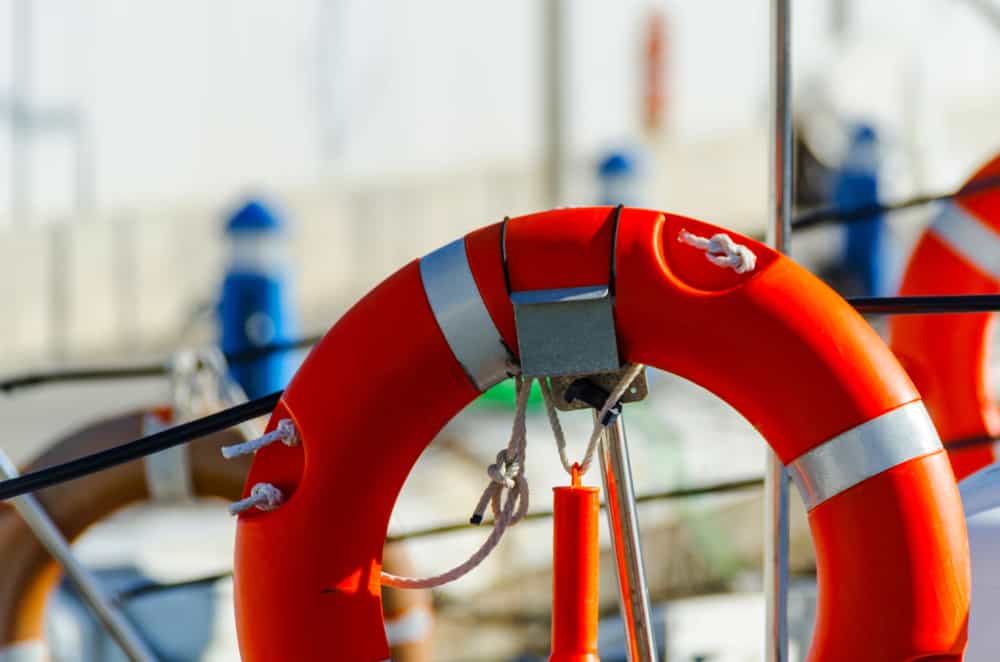
orange lifebuoy attached to boat

Array Cable Installation Long Island

Why Local Knowledge Matters for Cable Installation

Long Island’s offshore environment isn’t like other regions. The currents, seabed composition, weather patterns, and regulatory landscape here are specific. What works off the coast of Europe or even other parts of the U.S. doesn’t always translate directly to these waters. That’s where two decades of local experience make the difference between a cable installation that proceeds smoothly and one that hits unexpected delays. We’ve worked these waters long enough to know where the challenges show up. We understand how quickly conditions can shift and what that means for vessel positioning and cable handling. We know the local permitting process, the stakeholders who need to be coordinated with, and the environmental considerations that apply to Long Island offshore projects. When your cable laying vessel needs support or your installation team needs a reliable platform configured for the specific demands of subsea cable work, you’re working with people who’ve been doing this here, not learning as they go. The offshore wind boom in New York is creating unprecedented demand for cable installation services. Projects that will power hundreds of thousands of homes are moving from planning to execution. That means more subsea power cables, more array cables connecting turbines, and more export cables bringing renewable energy to shore. It also means the teams doing this work need to know what they’re doing, have the right vessels, and understand the stakes when timelines and budgets are tight.

Marine Cable Deployment Support Services

What's Actually Included in Cable Installation Support

Offshore cable installation isn’t just about laying cable on the seabed. It’s a multi-phase operation that requires vessel support from start to finish. That includes pre-installation work like route surveys and seabed preparation to clear debris and boulders that could damage equipment or cables. It means having vessels positioned correctly with four-point anchor systems to maintain stability in current and wind. It requires cranes and A-frames to handle heavy equipment, and space for your crew and gear so work can continue efficiently. For nearshore cable installation, you’re dealing with shallow water challenges, shore approach logistics, and often horizontal directional drilling coordination. For deeper offshore sections, you need vessels that can support cable laying operations in open water where conditions are less forgiving. Throughout the entire process, you need marine support that understands cable handling, can assist with burial operations, and has the experience to adapt when the plan needs to adjust because of weather, seabed conditions, or equipment issues. We provide the vessel platform and marine expertise that cable installation contractors rely on. Our fleet ranges from shallow water craft to offshore support vessels, all Coast Guard inspected and configured for the specific demands of subsea cable work. We support diving operations, heavy lifting, cable route preparation, and the day-to-day logistics that keep installation moving forward. For extended offshore operations, vessels like our 100-foot Megan Miller include living quarters for up to 16 personnel with an onboard cook, so your team can stay on site and maintain productivity rather than losing time to crew changes and transit.
Offshore Support Vessel
Off Shore Cable Installation FAQs

Common Questions About Our Service

We operate a diverse fleet of US Coast Guard inspected vessels specifically suited for offshore cable installation support. This includes shallow water vessels for nearshore work, offshore support vessels for deeper water operations, utility boats, crew boats, and specialized craft that can be configured with four-point anchor systems for stability during cable laying operations. Our vessels come equipped with cranes and A-frames for handling heavy equipment and cable deployment gear. For extended offshore projects, we have vessels like the 100-foot Megan Miller that include living quarters for up to 16 personnel with onboard cook services, allowing your installation crew to remain on site and maintain productivity. Each vessel can be configured to meet the specific requirements of your cable installation project, whether that’s array cables connecting wind turbines, export cables running to shore, or subsea power transmission lines. We’ve supported operations ranging from cable installation to heavy lifting and support diving throughout Long Island waters and along the northeast coastline.
After more than 20 years working Long Island waters, we’ve developed a practical understanding of what these offshore conditions demand. The currents, weather patterns, and seabed characteristics here are specific, and that local knowledge directly impacts how we support cable installation projects. We know how quickly conditions can shift and what that means for vessel positioning and operations. Our crews have experience maintaining stable platforms during cable laying operations even when wind and current create challenging conditions. We understand the seasonal patterns that affect offshore work windows and can help you plan mobilization to maximize productive time on site. For cable installation support, this means we’re not learning on your project—we know where the challenges typically show up and how to address them. Our vessels are equipped with modern positioning and anchor systems that allow us to maintain the precise station-keeping that cable laying requires. When weather does force a pause in operations, we have the local knowledge to make informed decisions about when conditions will improve and work can safely resume. This experience also extends to understanding the regulatory and environmental considerations specific to New York offshore projects, helping ensure your cable installation stays compliant while moving forward.
Subsea cable burial protects cables from damage caused by fishing activity, ship anchors, and environmental forces. The process and depth requirements vary based on water depth and seabed conditions. In shallow nearshore waters, cables are typically buried one to two meters deep using specialized plows or jetting equipment that cuts a trench, lays the cable, and backfills sediment over it. This protects the cable while minimizing seabed disturbance. Before burial can begin, the route needs preparation—that means clearing debris, boulders, abandoned fishing gear, and other obstacles that could damage the cable or installation equipment. This is done with pre-lay grapnel runs that sweep the route clean. In deeper offshore waters where risks from fishing and anchors are lower, cables may be laid directly on the seabed following the natural contours to avoid suspension. However, even in deeper water, certain sections may require burial or additional protection depending on the specific route and environmental assessment. For Long Island offshore wind projects, the cable installation process typically includes both nearshore and offshore burial phases, with different techniques applied based on depth and conditions. Throughout the burial process, the cable route is surveyed to verify depth and position, ensuring the cable is properly protected and positioned as engineered. We support these operations by providing the vessel platforms, positioning systems, and marine expertise that cable burial contractors need to execute the work efficiently in Long Island’s specific offshore environment.
The timeline for offshore cable installation depends on several factors including cable length, water depth, seabed conditions, weather windows, and the complexity of shore connections. For a typical offshore wind farm export cable in Long Island waters—which might run 30 to 60 miles from the turbine site to shore—the installation phase can take several months from mobilization to completion. This includes time for seabed preparation and route clearing, the actual cable laying operations, burial work, shore connection via horizontal directional drilling, and final testing and commissioning. Array cables that connect individual turbines to each other and to the offshore substation are generally shorter but require multiple installations, so the cumulative time can be significant. Weather plays a major role in offshore timelines. Cable laying operations require relatively calm seas for safe handling and precise positioning. In the North Atlantic, weather windows are better in late spring through early fall, though work can continue in winter with the right equipment and experienced crews willing to work in more challenging conditions. Delays happen when storms force vessels off station or when unexpected seabed conditions require route adjustments or additional preparation. Having experienced marine support that knows these waters helps minimize weather-related delays because crews can make informed decisions about when conditions are workable versus when it’s safer to wait. The permitting and regulatory approval process also affects overall project timelines, though that typically happens before installation begins. For Long Island projects, coordinating with local authorities, environmental agencies, and other marine users is part of the planning phase that enables installation to proceed smoothly once vessels mobilize.
The difference comes down to local experience, fleet capability, and a straightforward approach to getting work done. We’ve been operating in Long Island waters for over 20 years, which means we know these specific offshore conditions, understand the regulatory environment for New York projects, and have established relationships with the stakeholders involved in offshore wind development here. That local knowledge translates directly into fewer surprises and delays on your cable installation project. Our fleet is diverse and configured specifically for offshore support work. We’re not trying to make a general-purpose vessel work for specialized cable installation—we have US Coast Guard inspected vessels ranging from shallow water craft to offshore support vessels, equipped with the anchor systems, cranes, A-frames, and crew accommodations that cable work requires. We can configure vessels to match your specific project needs rather than forcing you to adapt your operations to what we happen to have available. We’ve supported actual offshore wind projects in this region, so we understand what cable installation contractors need from their marine support. That includes the technical aspects like maintaining precise positioning during cable laying, but also the practical realities like having responsive communication when plans need to adjust, providing experienced crews who understand cable handling, and offering extended offshore capability with living quarters so your team can stay productive. We’re based in Port Jefferson, which means faster mobilization to Long Island offshore sites compared to contractors coming from distant ports. When you need marine support, we’re local and we’re responsive. We don’t oversell or overcomplicate things—we focus on providing the vessel platform and marine expertise that keeps your cable installation moving forward efficiently and safely.
Offshore cable installation faces several significant challenges where experienced marine support makes the difference between success and costly delays. First, there’s the challenge of maintaining precise vessel positioning during cable laying operations. Cables must follow engineered routes exactly, and even small deviations can create problems. This requires vessels with sophisticated anchor systems and experienced crews who can maintain station in current and wind while cable is being deployed. Weather and sea conditions present constant challenges. Cable laying requires relatively calm seas because rough conditions make it impossible to safely handle cable or maintain the tension control needed for proper installation. Experienced marine support knows how to read conditions, when it’s safe to work, and when it’s smarter to wait rather than risk damaging expensive cable or equipment. Seabed conditions vary significantly even within a single project site. You might encounter soft sediment in one section, rocky bottom in another, and debris or boulders that need clearing throughout. Marine support vessels need the equipment to assist with route preparation, handle different burial techniques, and adapt when conditions don’t match what surveys predicted. Coordination complexity is another major challenge. Cable installation involves multiple specialized contractors—cable manufacturers, laying contractors, burial specialists, diving teams, survey crews, and shore connection teams. All of this needs to happen in sequence with vessels positioned correctly and equipment ready when needed. Experienced marine support understands this coordination and can adapt when schedules shift or weather forces changes. Finally, there’s the challenge of extended offshore operations. Cable installation can’t always be completed in single-day trips. Having vessels with living quarters, provisions, and the capability to support crews for days at a time keeps operations productive rather than losing time to constant crew changes and transit. These challenges are why cable installation contractors specifically seek marine support with proven offshore experience rather than general marine services that haven’t done this type of work before.

Project Assessment and Vessel Configuration

We review your cable installation requirements, timeline, and marine conditions. Then we configure vessels with the anchor systems, lifting equipment, and crew accommodations your project needs.

Mobilization and On-Site Support

Our vessels mobilize from Port Jefferson to your project site. We provide the stable platform, equipment handling, and marine expertise that keeps cable installation operations running efficiently.

Ongoing Coordination and Adaptation

Offshore conditions change. We stay responsive throughout your project, adjusting to weather, coordinating with your installation team, and solving problems as they come up so work continues.