Offshore Supply Vessel Long Island NY

Vessels Built for Real Offshore Work

You need offshore supply vessels that show up ready, crew included, with the equipment your project actually requires. Not tomorrow. Not with excuses. We deliver Coast Guard inspected OSVs configured for Long Island waters and Northeast offshore operations.

Coast Guard Inspected Fleet

Every vessel meets federal inspection standards for offshore operations. You're not gambling on compliance when regulators or clients ask questions.

30 Years Northeast Waters

We've worked these conditions since before most operators knew Long Island had offshore potential. That experience keeps your schedule intact.

Custom Vessel Configuration

Four-point anchor systems, cranes, A-frames, deck space—we outfit vessels for what your project demands, not what's convenient for us.

Crew Accommodation Onboard

Extended offshore operations need living quarters and meals. Our 100-foot utility vessel sleeps sixteen with an onboard cook available.

Platform Supply Vessel Services

What an Offshore Supply Vessel Actually Does

An offshore supply vessel transports equipment, materials, fuel, water, and crew between shore and offshore platforms—oil rigs, wind farms, construction sites, research vessels. It’s the logistics backbone that keeps offshore operations running. The difference between a capable OSV and a generic boat is equipment. Real platform supply work requires anchor handling capability, sufficient deck space for cargo, below-deck tanks for liquids, and the stability to load and offload in open water. You also need dynamic positioning systems to hold station during transfers, especially in the conditions we see off Long Island and the Northeast coast. We operate utility vessels, crew boats, work boats, and specialized support vessels ranging from shallow water craft to deepwater-capable OSVs. Our fleet handles pipe laying support, cable installation, heavy lifting, platform supply runs, geophysical surveys, and offshore wind development projects across the Northeast coastline.

OSV Marine Logistics Solutions

What You Get With the Right Vessel

The right offshore supply vessel doesn’t just float—it solves the logistical problems that delay projects, blow budgets, and create safety incidents.

Call Miller Marine Services

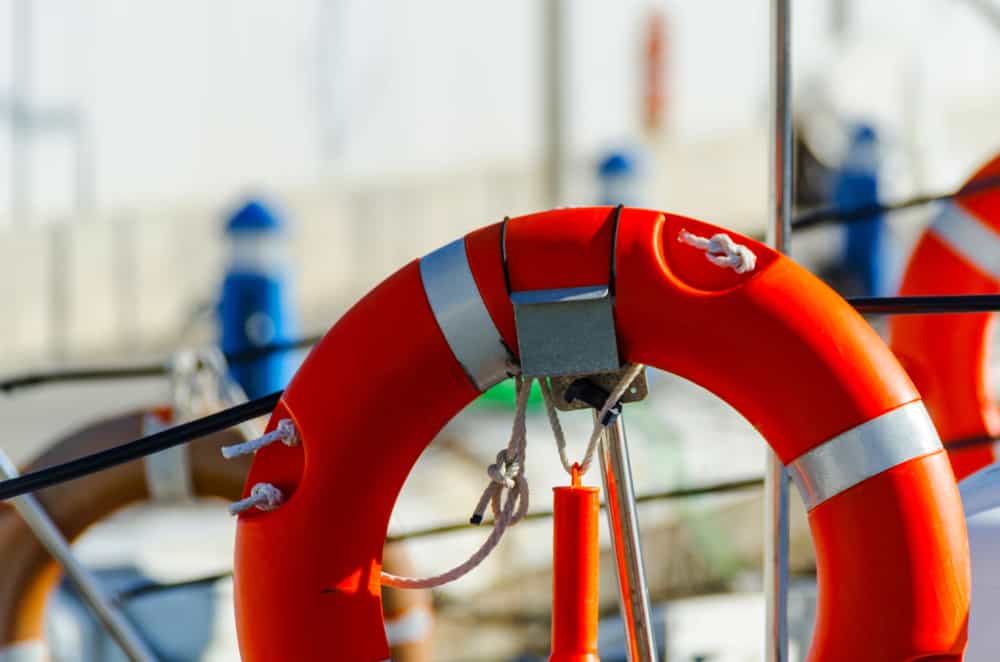
orange lifebuoy attached to boat

Offshore Wind Vessel Support

Long Island's Offshore Wind Boom Needs Capable Vessels

Long Island is becoming the offshore wind capital of the Northeast. South Fork Wind already powers 70,000 homes. Empire Wind and Sunrise Wind—under construction now—will generate enough electricity for over a million homes when they come online in 2027. These projects need offshore supply vessels. Cable installation requires positioning accuracy. Foundation work demands heavy lift capability. Crew transport runs daily. Survey operations need stable platforms. And every phase operates on construction schedules where vessel delays cost hundreds of thousands of dollars per day. We support offshore wind development with vessels equipped for the specific demands of wind farm construction and maintenance. We’ve worked geophysical surveys, cable laying operations, platform installation support, and crew transport across Long Island offshore wind projects. Our vessels handle the Northeast’s sea conditions, our crews understand the tight coordination these projects require, and we’re based in Port Jefferson—close to the action, not shipping in from the Gulf of Mexico.

Marine Cargo Transportation Offshore

Moving Equipment and Supplies to Offshore Locations

Offshore cargo transportation isn’t like loading a truck. You’re moving drilling equipment, construction materials, fuel tanks, water supplies, and specialized tools onto a vessel that needs to maintain stability in open water, then offload everything at a platform or rig without a dock. This requires deck space designed for heavy equipment. Below-deck tanks for bulk liquids. Cranes and A-frames rated for the loads you’re actually moving. And crews trained in cargo handling, weight distribution, and transfer operations in dynamic conditions. Our offshore supply vessels range from 25-foot assist boats to 100-foot utility vessels, each configured for different cargo requirements. We transport drilling supplies for oil and gas operations, deliver materials for marine construction projects, move equipment for subsea work, and handle supply runs for research vessels. You tell us what needs to move, where it’s going, and when—we configure the right vessel and crew to make it happen safely and on schedule.
Offshore Support Vessel
Off Shore Supply Vessel FAQs

Common Questions About Our Service

An offshore supply vessel is specifically designed and equipped for open-water operations supporting offshore platforms, rigs, and installations. The key differences are capability and certification. OSVs have larger deck areas for cargo, below-deck tanks for bulk liquids like fuel and water, specialized equipment like cranes and anchor handling systems, and accommodation facilities for crew on extended operations. They’re also built to handle rougher sea conditions than inshore work boats. Most importantly for commercial work, offshore supply vessels used in US waters need US Coast Guard inspection and certification, which regular work boats don’t carry. If you’re operating beyond protected waters or supporting platforms and rigs, you need a proper OSV with the right equipment and certification. A standard work boat won’t meet the operational or regulatory requirements.
Offshore vessel charter costs depend on vessel size, equipment configuration, charter duration, and operational requirements. Day rates for platform supply vessels typically range from a few thousand dollars for smaller utility boats to $15,000-$30,000+ per day for larger, fully-equipped OSVs with dynamic positioning and specialized equipment. Time charters (chartering a vessel for weeks or months) often get better rates than single-voyage charters. Bareboat charters where you provide your own crew cost less than charters that include experienced crew and full operational support. The specific number for your project depends on what you need—a 25-foot assist boat for shallow water survey work costs very differently than a 100-foot utility vessel with accommodation for sixteen people and heavy lift equipment. The best approach is to explain your offshore operation and timeline, and we’ll quote based on the actual vessel and configuration required. That gives you accurate costs instead of generic estimates that don’t match your real needs.
Our offshore supply vessels come configured based on project requirements, not a one-size-fits-all approach. That said, vessels in our fleet can be equipped with four-point anchor systems for stable positioning in open water, cranes rated for cargo and equipment transfer, A-frames for deploying and retrieving subsea equipment, and deck layouts designed for heavy cargo. Larger utility vessels include living quarters—our 100-foot Megan Miller sleeps up to sixteen personnel with an onboard cook available for extended offshore operations. Below-deck capacity handles bulk liquids including fuel, water, and drilling fluids depending on the vessel. Navigation and safety equipment meets US Coast Guard standards for offshore operations. The specific configuration depends on what your project demands. Cable installation work needs different equipment than platform supply runs or geophysical survey support. When you explain your operation, we configure the vessel with exactly what you need instead of charging you for equipment you won’t use or showing up without critical capabilities.
Yes. We’ve been supporting offshore wind development in Long Island and the Northeast since these projects started ramping up. Our vessels have worked on geophysical surveys for wind farm site assessment, cable laying operations for power transmission, foundation installation support, crew transport to offshore construction sites, and supply delivery for platforms and vessels. Offshore wind projects have specific requirements—tight construction schedules where delays cost enormous amounts of money, precise positioning for cable work, accommodation for rotating crew shifts, and coordination with multiple contractors and regulatory requirements. Our experience on Long Island offshore wind projects means we understand these demands. We know the sea conditions off Long Island and the Northeast coast. We’re based in Port Jefferson, which puts us close to Empire Wind, Sunrise Wind, and future projects instead of mobilizing from distant locations. And our vessels are US Coast Guard inspected and Jones Act compliant, which matters for domestic offshore operations. If you’re working on offshore wind development in the Northeast, we have the vessels, crews, and local knowledge to support your project.
Location matters more than most people realize for offshore operations. First, you get faster response times and lower mobilization costs when vessels are already based near your project area instead of shipping in from the Gulf of Mexico or other regions. Second, local crews know the specific conditions of Long Island waters and the Northeast coast—the weather patterns, sea states, navigation challenges, and seasonal factors that affect offshore work in this region. That experience prevents problems instead of reacting to them. Third, you avoid the logistical complexity of coordinating with distant providers across different time zones and unfamiliar local regulations. Fourth, proximity makes it easier to inspect vessels before charter, meet crews, and handle any issues that come up during operations. And fifth, a provider with 30+ years operating in Long Island has relationships with local authorities, understands regional permitting requirements, and knows the offshore project landscape here. You’re not explaining Long Island to someone who’s never worked these waters. When your project is off Long Island or the Northeast coast, working with a provider based here just makes more sense than importing vessels and crews from regions with completely different conditions and no local knowledge.
We offer both options depending on what makes sense for your operation. Most clients charter vessels with crew included because offshore work requires experienced personnel who know the specific vessel, understand cargo handling and positioning in open water, and can manage the safety and operational challenges that come up. Our crews have worked Northeast offshore operations for years—they know Long Island waters, they’ve handled the equipment configurations on our vessels, and they understand how to keep projects on schedule while maintaining safety standards. That experience is valuable when conditions get challenging or unexpected situations arise offshore. However, if you have your own qualified crew and prefer a bareboat charter where you take full operational control, we can arrange that as well. The decision usually comes down to whether you have experienced offshore crew available or whether it makes more sense to charter a complete package—vessel and crew ready to work. Either way, all our vessels are US Coast Guard inspected and meet the certification requirements for offshore operations. We’ll work with whatever charter structure fits your project and operational capabilities.

Project Assessment and Vessel Selection

You explain your offshore operation—location, duration, cargo requirements, crew size. We recommend vessels from our fleet that match your specific needs and configure equipment accordingly.

Charter Terms and Scheduling

We establish charter terms—time charter, voyage charter, or bareboat depending on your preference. Scheduling coordinates with your project timeline and weather windows for Northeast waters.

Offshore Operations and Support

Vessel and crew arrive ready to work. We handle offshore positioning, cargo transfer, crew accommodation, and any support services like fuel delivery or supply runs throughout your project.