Oil Boom Deployment Long Island NY

Stop Spills Before They Spread

When oil hits the water, you don’t have hours to wait. We deploy containment booms fast, preventing environmental disasters and the liability that comes with them across Long Island’s waters.

Certified Oil Spill Response

We're fully certified for oil spill response remediation, meeting strict requirements for boom deployment and environmental protection operations.

Coast Guard Inspected Fleet

Our US Coast Guard inspected vessels are purpose-built for environmental support, equipped with the technology needed for safe, efficient boom deployment.

Two Decades Local Experience

Twenty-plus years working Long Island's waters means we know the currents, tides, and conditions that affect boom performance in your specific location.

Emergency Response Ready

Our crews and equipment are positioned for rapid deployment. When you call, we mobilize immediately to contain spills before they become disasters.

Professional Boom Deployment Services

The Right Equipment, Deployed the Right Way

Oil boom deployment isn’t just dropping a barrier in the water. It requires understanding water conditions, selecting appropriate boom types, and executing proper anchoring techniques. Get it wrong and the boom fails. Oil escapes. Your liability multiplies. We bring certified expertise to every deployment. We’ve handled everything from emergency spill response to preventive installations for high-risk operations across Long Island’s harbors, bays, and offshore waters. Our crews know which boom works in calm marinas versus strong tidal currents, and how to position equipment so it actually contains oil instead of letting it slip underneath or overtop. Whether you’re facing an active spill that needs immediate containment or planning ahead for construction work near water, we deploy the boom systems that protect your operation and Long Island’s marine environment.

Oil Spill Containment That Works

What Proper Boom Deployment Does for You
Fast, professional deployment stops small problems from becoming environmental catastrophes that shut down operations and trigger regulatory enforcement.

Call Miller Marine Services

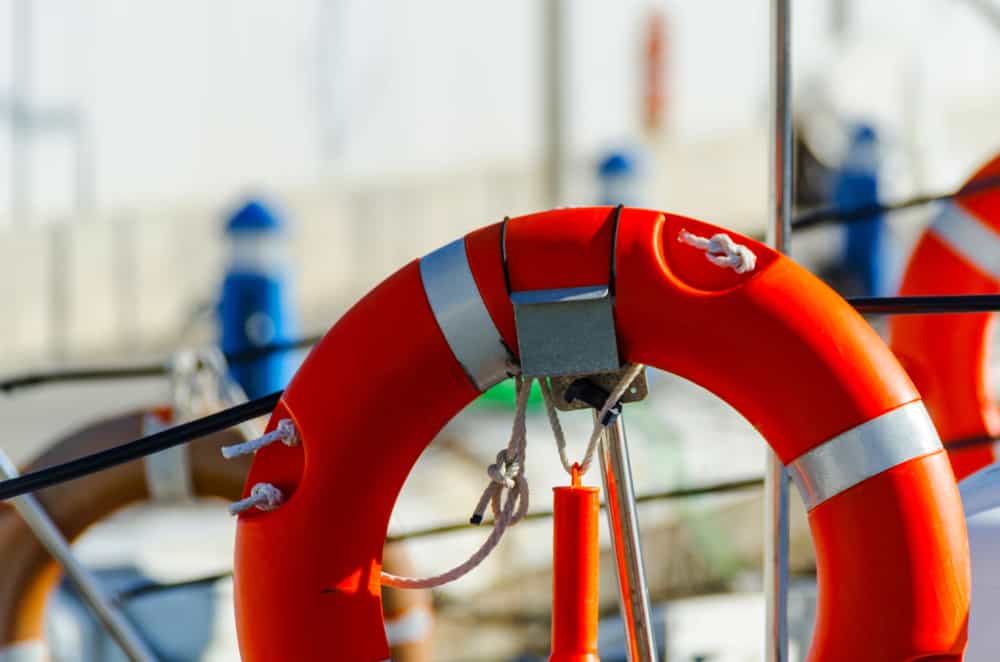
orange lifebuoy attached to boat

Rapid Response Boom Deployment

Every Minute Counts When Oil Hits Water

Oil doesn’t wait. It spreads fast, and the longer it takes to deploy containment, the worse the damage gets. We’ve seen operations lose hours waiting for equipment to arrive while oil migrates into areas that cost ten times more to clean. We operate differently. Our vessels stay ready for immediate deployment across Long Island. When you call with an emergency, we’re mobilizing equipment while other companies are still making phone calls. We arrive with the right boom type already loaded – whether that’s rapid-deployment inflatable boom for instant containment or heavy-duty fence boom for rougher conditions. Our crews have deployed booms in everything from calm harbor spills to incidents in tidal channels with strong currents. They know how to read water movement, position anchors so the boom holds its shape, and adjust deployment as conditions shift. That experience means we contain oil effectively the first time, without the failures that let petroleum escape and multiply your cleanup costs.

Turbidity Curtain Installation Services

Marine Construction Needs More Than Oil Booms

If you’re doing construction work near water, you already know about turbidity curtain requirements. Long Island projects involving dredging, pile driving, or any activity that disturbs sediment need proper silt containment to stay compliant with Clean Water Act regulations and avoid DEC violations. We handle turbidity curtain deployment alongside oil boom services. We install Type 1 curtains for calm water projects, Type 2 for moderate conditions, and Type 3 heavy-duty curtains when you’re working in tidal areas or locations with real current. The curtains we deploy are anchored correctly to maintain position throughout your project timeline, with regular inspection to catch any issues before they become compliance problems. Many marine construction companies need both services – turbidity curtains for sediment control during normal operations, plus oil booms staged nearby in case equipment leaks hydraulic fluid or fuel. We coordinate both systems so your site stays protected and compliant from start to finish.
Offshore Support Vessel
Oil Boom Deployment FAQs

Common Questions About Our Service

Our response time depends on your location across Long Island, but we’re equipped for rapid deployment when spills occur. We keep boom systems ready on Coast Guard inspected vessels positioned to reach most Long Island waters quickly. Once on scene, our experienced crews can deploy containment booms in minutes using rapid-deployment systems for immediate spill control. Remember that New York State requires petroleum spills to be reported within 2 hours of discovery, and every minute oil spreads makes containment harder and cleanup more expensive. Our focus is getting effective containment in place fast, before the spill escalates into a major environmental incident. We’ve handled emergency deployments across harbors, marinas, and open water, and our crews know how to work efficiently under pressure while ensuring the boom is positioned correctly to actually contain the oil.
We deploy multiple boom types because Long Island’s waters vary dramatically – what works in a calm marina fails completely in a tidal channel with current. For emergency response where speed matters most, we use rapid-deployment inflatable booms that can be positioned quickly in both inshore and offshore areas. For operations in harbors and areas with mild current, foam-filled booms provide excellent stability and are easy to handle during deployment and retrieval. When you’re dealing with stronger tidal currents or longer-term installations, we deploy fence booms with heavy-duty construction and chain ballast that holds position in challenging conditions. The key is matching boom characteristics to your specific situation – water depth, current speed, wave action, and how long the boom needs to stay deployed. Our crews assess conditions on scene and select equipment that will actually contain oil rather than let it escape underneath or overtop the barrier.
Yes, we provide both emergency response for active spills and preventive deployment for operations where spill risk is elevated. Emergency response is exactly what it sounds like – you have oil in the water right now and need immediate containment before it spreads. We mobilize fast with appropriate boom systems and experienced crews to contain the spill and prevent further environmental damage. Preventive deployment is different. If you’re conducting marine construction, fuel transfers, equipment maintenance near water, or any activity with spill potential, we can stage containment booms before work begins. This pre-positioning means if something goes wrong, containment is already in place to catch the spill immediately. Many facilities handling petroleum products keep boom systems deployed permanently around high-risk areas like fueling docks or transfer points. We can install, maintain, and monitor these permanent or semi-permanent installations to ensure they’re ready if needed. Either way, the goal is the same – keep oil contained and protect Long Island’s waters from contamination.
New York State has strict requirements for petroleum spill reporting and response. Under state law, any petroleum spill must be reported to the NYS Spill Hotline within 2 hours of discovery unless it meets very specific exemptions – less than 5 gallons, fully contained and under control, hasn’t reached water or land, and cleaned up within 2 hours. Most spills don’t meet those exemptions, which means you’re required to report and take immediate containment action. The responsible party is strictly liable under Navigation Law Section 181 for all cleanup costs, removal expenses, and direct damages caused by the spill, regardless of fault. That liability is serious – it includes third-party damages and all costs incurred by state response. Proper boom deployment is your first line of defense against catastrophic liability. If you contain the spill quickly and effectively, you limit the damage and the associated costs. If oil escapes because booms weren’t deployed correctly or fast enough, you’re responsible for wherever that oil goes and whatever damage it causes. We understand these regulations and deploy containment systems that meet DEC requirements while protecting you from escalating liability.
Absolutely. Turbidity curtain deployment is a core part of our marine environmental services. If you’re doing construction work that disturbs sediment in or near Long Island waters – dredging, pile driving, dock construction, shoreline work – you need turbidity curtains to comply with Clean Water Act regulations and avoid violations. We install the appropriate curtain type for your project conditions. Type 1 curtains work for calm water like protected harbors and ponds. Type 2 curtains handle mild current and wave activity typical in many Long Island bays. Type 3 heavy-duty curtains are what you need for tidal areas, channels, or locations with real water movement. Proper installation matters as much as selecting the right curtain type. We anchor turbidity curtains correctly so they maintain position throughout your project, with adequate freeboard to prevent sediment from washing over the top. Our crews inspect curtains regularly to catch any damage or displacement before it becomes a compliance issue. Many projects need both turbidity curtains for sediment control and oil booms staged nearby in case equipment leaks. We coordinate both systems so your site stays protected and compliant from start to finish.
We’ve been working Long Island’s waters for over 20 years, which means we understand conditions that affect boom deployment across this region. Long Island isn’t one uniform environment – you’ve got protected harbors with minimal current, tidal channels where water moves fast, open bays with fetch that builds waves, and nearshore areas exposed to ocean swells. Each location requires different deployment strategies. Our crews know how tides affect current strength in specific channels, where wind creates challenging wave conditions, and how water depth varies across different areas. That local knowledge directly impacts boom performance. We know which anchor systems hold in soft bay bottom versus rocky nearshore areas. We understand how ice affects winter deployments. We’ve deployed booms in the Great South Bay, Peconic Estuary, Long Island Sound, and offshore waters, so we’ve seen the full range of conditions this region presents. Experience matters because boom deployment isn’t theoretical – it’s practical work in real conditions. The techniques that work perfectly in calm water fail in current. Equipment sized for one location is wrong for another. Twenty-plus years operating here means we deploy booms that actually perform in Long Island’s specific marine environment.

Immediate Response Assessment

We evaluate your situation, water conditions, and spill characteristics to determine the right boom type and deployment strategy for effective containment.

Rapid Equipment Mobilization

Our crews load appropriate boom sections, anchoring equipment, and vessels, then deploy to your location with everything needed for proper installation.

Professional Boom Deployment

Experienced personnel position and anchor boom systems correctly, ensuring proper freeboard, adequate draft, and secure connections that contain oil effectively.