Pre-Lay Grapnel Run Long Island

One Hidden Anchor Can Halt Your Entire Installation

Before your multi-million dollar cable touches the seabed, the route needs to be clear. No abandoned fishing nets. No 2,000-pound anchors. No debris that stops your plough and blows your timeline.

US Coast Guard Inspected Fleet

Every vessel meets federal safety and operational standards, giving you confidence in our platform before we even leave port.

Over 30 Years Offshore

Three decades working Long Island waters means we know the conditions, the regulations, and what it takes to get it done right.

Purpose-Built Grapnel Systems

Our vessels come configured with 4-point anchors, heavy-lift cranes, A-frames, and deck space specifically designed for debris recovery operations.

Active Offshore Wind Support

We support the offshore wind projects reshaping Long Island's energy future, from route prep through full installation support services.

Cable Route Preparation Long Island

What a Pre-Lay Grapnel Run Actually Does

A pre-lay grapnel run clears the seabed along your planned cable pathway before installation begins. We tow specialized grapnel equipment along the route to snag and remove anything that could interfere with your cable plough—abandoned fishing gear, old cables, anchors, chains, and other marine debris that’s been sitting on the bottom for years. This happens a few weeks before your main cable laying operation. The goal is straightforward: make sure your plough has a clean path so burial depth is maximized and your installation stays on schedule. One 2,000-pound anchor in the wrong spot can damage millions of dollars worth of cable and delay your project by weeks. We remove those problems before they become your problems.

Seafloor Debris Removal Benefits

What You Get from Proper Route Clearance
The difference between a smooth cable installation and a costly delay often comes down to what you remove before the cable ship arrives.

Call Miller Marine Services

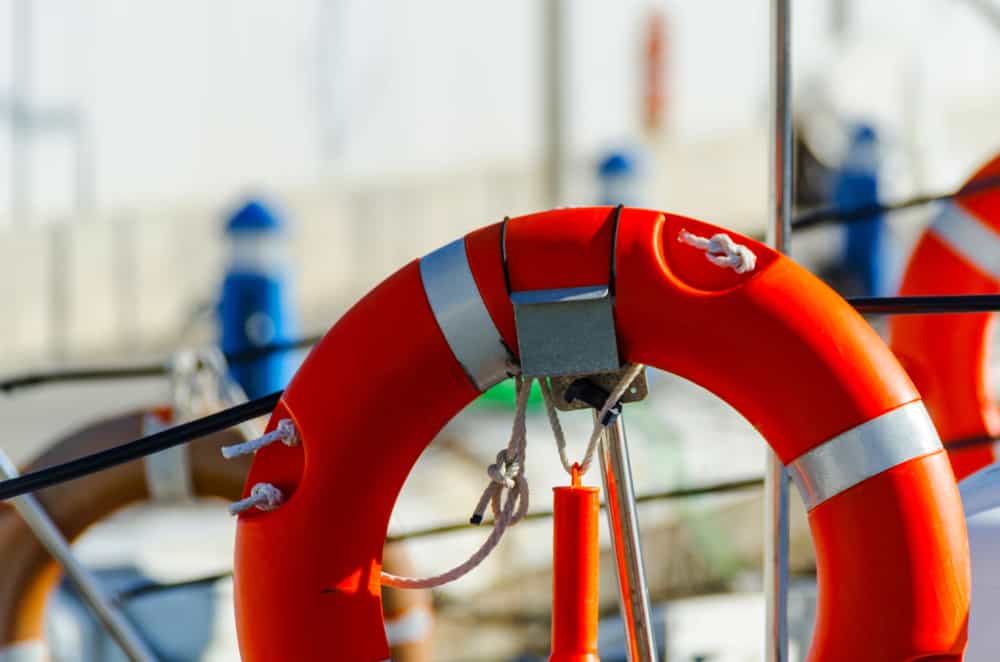
orange lifebuoy attached to boat

Route Clearance Services Long Island

Why Fishing Gear and Anchors Are Your Biggest Threat

Over 70% of submarine cable damage worldwide comes from fishing activity and dragged anchors. That’s not a theoretical risk—it’s the leading cause of cable faults, repairs that average 10 to 20 days, and costs that can hit tens of millions for power cables. Trawl nets, dredges, long lines, pot fishery grapnels, and anchors from commercial vessels all end up on the seabed. Some are lost accidentally. Some are abandoned when they snag. Either way, they’re sitting in your cable route waiting to catch your plough or damage your cable during installation. A single dragged anchor has damaged six cables over 300 kilometers. Fishing gear with breaking strains over 20 tonnes can do extensive damage before it gives way. Pre-lay grapnel runs remove these hazards before your cable ship arrives. We systematically clear the route, recover debris, and document what we find. It’s the difference between hoping the route is clear and knowing it is.

Offshore Grapnel Operations New York

What's Included in Our Route Clearance Operations

Our pre-lay grapnel run service covers the full scope of seabed clearance for cable installation projects. We deploy grapnel trains towed along your planned cable route at controlled speeds, typically not exceeding one knot, with equipment extending up to 150 meters behind the vessel. The grapnel is designed to snag subsurface obstructions without disturbing the seabed more than necessary. When we recover debris, it’s brought aboard and stored on deck. Our vessels have ample space for recovered materials—we’ve pulled up 600 feet of discarded cable, 2,000-pound anchors, and significant lengths of chain from single operations. All debris is disposed of or recycled according to current environmental standards. You get documentation of what was removed, where it was located, and confirmation that the route is clear for your cable laying vessel. We work with your survey data and route engineering to target the specific corridor your cable will occupy. The result is a verified clear path that protects your timeline, your cable, and your budget.
Offshore Support Vessel
Pre Lay Grapnel Run FAQs

Common Questions About Our Service

A pre-lay grapnel run is a seabed clearance operation performed before submarine cable installation. We tow specialized grapnel equipment along your planned cable route to remove obstructions like fishing nets, abandoned anchors, old cables, chains, and other marine debris. This is necessary because these obstructions can damage your cable during installation or prevent proper burial depth. Cable ploughs need a clear path to work effectively. One unseen anchor or tangle of fishing gear can halt your entire operation, damage expensive cables, and delay your project by weeks. The cost of clearing the route beforehand is a fraction of what you’d pay to repair damaged cables or deal with installation delays. Most major cable projects—including offshore wind farms off Long Island—require PLGR as part of their installation planning to meet timelines and protect their investment.
Pre-lay grapnel runs are typically performed a few weeks to a few months before your main cable laying operation. The timing depends on your project schedule, environmental conditions, and permitting requirements. You want the route cleared close enough to installation that new debris doesn’t accumulate, but far enough in advance that you have time to address any unexpected findings. For offshore wind projects, PLGR is often coordinated with other pre-installation activities like final route surveys and UXO assessments. We work with your project timeline to mobilize when it makes the most sense. The key is that the route is verified clear immediately before your cable ship arrives, so there are no surprises that could delay the operation or damage your cable during burial.
The most common obstructions we recover are fishing-related gear and anchoring equipment. This includes trawl nets, dredges, long lines, pot fishery grapnels, wire rope, and abandoned fishing equipment that’s been lost or discarded on the seabed. We also recover anchors—some weighing over 2,000 pounds—that have been dropped accidentally or dragged across the bottom during storms. Old submarine cables from decommissioned systems are another frequent find, along with chains, wire hawsers, and general marine debris. The specific debris depends on your route location and the history of activity in that area. Long Island waters see significant commercial fishing and vessel traffic, so the potential for obstructions is real. We’ve pulled up hundreds of feet of cable, massive anchors, and tangled gear from single operations. Everything we recover is documented, brought aboard safely, and disposed of or recycled according to environmental regulations.
If we encounter obstructions that can’t be cleared with standard grapnel equipment—like large boulders, bedrock outcroppings, or extremely heavy debris—we document the location and work with your engineering team to determine the best approach. Options include deploying heavier grapnel systems, using ROVs for more precise removal, adjusting the cable route slightly to avoid the obstruction, or implementing additional burial protection in that section. The goal is to solve the problem before your cable ship arrives, not during installation when delays are most expensive. Most obstructions can be removed with proper equipment and technique. In rare cases where removal isn’t feasible, we provide detailed location data so your cable installation crew knows exactly what they’re dealing with and can plan accordingly. The advantage of PLGR is that you discover these issues early when you have options, not mid-installation when your timeline is at risk.
Route planning and coordination are critical. Before we begin any grapnel operation, we review all available charts and data showing existing cables, pipelines, and other subsea infrastructure in the area. We work with your survey team and route engineers to understand what’s already on the seabed and where your new cable will be placed. Our grapnel equipment is designed to snag loose debris and obstructions, not damage buried or properly installed infrastructure. We operate at controlled speeds—typically not exceeding one knot—and monitor the grapnel’s position throughout the operation. If we’re working near existing cables, we adjust our approach to minimize risk, which may include using lighter grapnel configurations or working with ROV support for visual confirmation. The industry has decades of experience performing PLGR operations safely near existing infrastructure. The key is planning, communication, and experienced crews who understand the equipment and the environment.
We bring over 30 years of marine construction and offshore support experience to every project, with a fleet of US Coast Guard inspected vessels specifically configured for technical operations like PLGR. Our vessels are equipped with 4-point anchor systems for precise positioning, cranes and A-frames for debris recovery, and ample deck space for storing recovered materials. We’ve supported offshore wind development, cable installation projects, and complex marine construction operations throughout Long Island and the Northeast. Our crews understand the local waters, the regulatory environment, and what it takes to execute these operations safely and efficiently. We’re not learning on your project—we’ve done this work for decades. You get experienced operators, proper equipment, and a track record of delivering results on technical offshore projects where precision and reliability actually matter.

Route Survey and Planning

We review your cable route data and coordinate timing with your installation schedule to mobilize a few weeks before cable laying begins.

Grapnel Run Execution

Our vessel systematically tows grapnel equipment along the planned route, recovering fishing gear, anchors, old cables, and other obstructions from the seabed.

Debris Recovery and Documentation

All recovered materials are brought aboard, stored safely, and documented. We provide confirmation that your route is clear and ready for cable installation.