Three Point Moor Vessel Long Island

Stable Positioning When Your Project Can't Drift

When construction work demands a vessel that stays exactly where you need it, three-point mooring delivers the stability and fuel efficiency your project requires. We provide Coast Guard inspected vessels with proven anchor configurations for Long Island’s marine construction operations.

Coast Guard Inspected Fleet

Every vessel meets rigorous federal safety standards. You get compliant, reliable platforms that inspectors and insurance companies trust without question.

Over 20 Years Experience

Two decades working Long Island waters means we know the channels, conditions, and challenges your project will face before you encounter them.

Project-Specific Vessel Configuration

Your equipment, your crew, your timeline. We configure anchor systems, cranes, and deck space to match what your specific operation actually needs.

Local Waters Expertise

From shallow bays to offshore sites, our crews navigate Long Island's unique marine environment with the confidence that only comes from daily experience.

Marine Station Keeping Long Island NY

Precision Positioning Without the Fuel Bill

Three-point mooring uses a symmetrical anchor configuration to hold your vessel on a fixed heading. Unlike dynamic positioning systems that burn fuel constantly running thrusters, this approach relies on strategically placed anchors connected to a central point. The result is a stable work platform that stays positioned exactly where your construction, diving, or installation work demands it. For marine contractors working Long Island waters, this matters because you’re dealing with shallow depths, narrow channels, and projects where a few feet of drift can halt operations. Three-point mooring gives you that stability without the operating costs that make DP vessels prohibitively expensive for extended projects. We operate vessels equipped for this type of station keeping across the northeast coastline. Our fleet handles everything from light construction support to dive operations, configured with the anchor systems and deck equipment your project requires.

Offshore Mooring Configuration Benefits

What You Gain with Stable Vessel Positioning
When your vessel doesn’t drift, your crew works faster, safer, and without the constant repositioning that eats into your project timeline and budget.

Call Miller Marine Services

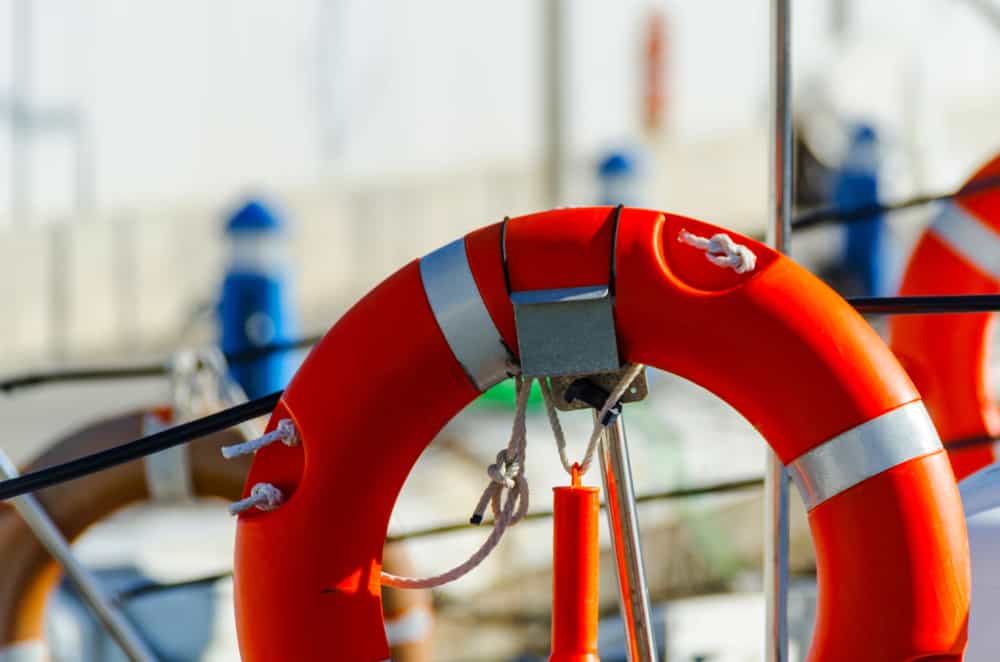
orange lifebuoy attached to boat

3-Point Anchor Spread Configuration

How the Anchor Configuration Actually Works

A three-point mooring system positions anchors in an equilateral triangle around your work site. Each anchor connects via chain or wire to a central point beneath the vessel. This geometry distributes holding force evenly, preventing the vessel from swinging or drifting regardless of which direction wind or current comes from. The setup process is straightforward. The vessel moves to position and deploys anchors sequentially, typically starting upwind or up-current. Once all three anchors are set and lines are tensioned properly, the vessel sits stable on a fixed heading. For construction work, this means your crane always faces the same direction, your dive station stays in the same spot, and your crew develops a rhythm without constantly adjusting to vessel movement. What makes this approach work in Long Island waters is the relatively shallow depths and the need for vessels to hold position near shore structures, pilings, or other marine construction sites. Dynamic positioning struggles in these conditions. Shallow water creates thruster wash that damages the seabed and reduces visibility. Limited depth restricts thruster effectiveness. Three-point mooring solves these problems by keeping the vessel stable without any underwater propulsion.

Light Construction Support Vessel Services

What's Included in Your Vessel Charter

When you charter a three-point mooring vessel from us, you’re getting more than just a floating platform. The package includes experienced crews who know how to set anchors efficiently in Long Island’s varying bottom conditions, whether you’re working over sand, mud, or rocky substrate. You get vessels configured with the lifting equipment, deck space, and safety systems your specific project requires. Our fleet includes utility vessels with accommodations for extended operations, crane capacity for material handling, and deck layouts designed for construction work. If your project involves diving, the vessel provides a stable platform with proper dive stations and safety equipment. For installation work, you have the deck space to stage materials and the anchor holding power to keep everything positioned while crews work. The difference between a standard vessel and one properly equipped for three-point mooring work shows up in project efficiency. Anchor winches need sufficient capacity. Fairleads must be positioned correctly. The crew needs to understand how tension adjustments affect vessel heading. These details matter when you’re trying to hold position for hours or days while construction progresses. We provide vessels where these systems are already integrated and crews who know how to use them effectively in real working conditions.
Offshore Support Vessel
Three Point Moor Vessel FAQs

Common Questions About Our Service

Three-point mooring offers faster deployment and adequate stability for most light to medium construction projects. The triangular anchor pattern distributes holding force effectively while using fewer anchors than four-point configurations. This means quicker setup, lower equipment costs, and easier position adjustments when needed. Four-point systems provide additional holding power and are preferred for heavy construction or operations requiring absolute minimal movement, like precision pile driving or heavy lift operations. For dive support, cable laying, light construction, and inspection work in Long Island waters, three-point mooring delivers the stability you need without the complexity and time investment of additional anchor points. The choice depends on your specific project requirements, expected weather conditions during operations, and the precision of positioning your work demands. We can assess your project and recommend the appropriate anchor configuration based on actual working conditions you’ll encounter.
Three-point mooring systems perform well in water depths from about 20 feet to several hundred feet, which covers most marine construction sites around Long Island. The system adapts to various bottom conditions including sand, mud, clay, and rocky substrate, though anchor type selection changes based on what you’re setting into. Sand and mud bottoms typically use drag embedment anchors that dig in as load is applied. Rocky or hard bottoms may require different anchor designs or additional holding weight. The key factor isn’t just depth but the ratio between water depth and anchor line length, called scope. Proper scope ensures anchors pull horizontally into the bottom rather than lifting out under load. Long Island’s relatively shallow nearshore waters are actually ideal for this type of mooring because shorter scope requirements mean faster deployment and better holding efficiency. Areas with strong tidal current require additional consideration for scope and anchor positioning to account for how current direction changes throughout the work period. Before any project, bottom surveys help determine if conditions support effective anchoring and what specific equipment configuration will provide reliable holding power.
Setup time for three-point mooring typically ranges from one to three hours depending on water depth, bottom conditions, and crew experience. An experienced crew working in familiar waters with good conditions can often complete anchor deployment and tensioning in under an hour. More complex situations with deeper water, difficult bottom, or tight positioning requirements near existing structures may take longer. Breaking down the mooring system usually goes faster than setup, often 30 to 90 minutes, because you’re simply retrieving anchors rather than carefully positioning them. These timeframes matter for project planning because they affect your daily operational window. If you have a six-hour weather window for diving work, losing three hours to mooring setup and breakdown significantly impacts productivity. This is where crew experience makes a measurable difference. Our crews set anchors regularly in Long Island waters and know the bottom conditions at common work sites. That familiarity translates to efficient deployment that maximizes your actual working time. For multi-day projects, the vessel stays moored overnight, so setup time only impacts the first day. For projects requiring frequent repositioning, three-point mooring’s relatively quick deployment becomes a significant advantage over more complex anchor configurations.
Three-point mooring systems handle moderate weather changes effectively when properly deployed with adequate scope and appropriate anchor sizing. The fixed heading design means the vessel stays oriented to prevailing conditions rather than weathervaning like single-point moorings. This stability is valuable for construction work because your crane, dive station, and work areas maintain the same position relative to the job site. However, significant weather deterioration requires evaluation and potentially stopping work to adjust mooring or move to protected waters. The decision threshold depends on several factors including anchor holding capacity, vessel characteristics, and what operations are underway. For example, dive operations typically stop well before conditions threaten mooring integrity because diver safety requires calmer seas than the mooring system can withstand. Construction work might continue in rougher conditions if the mooring remains secure and work can proceed safely. Our crews monitor weather continuously during operations and understand the performance limits of anchor systems in various conditions. They know when tension adjustments can compensate for changing wind or current and when conditions require suspending work. This judgment comes from experience working Long Island waters where weather can change relatively quickly. The goal is always maintaining adequate safety margin while maximizing productive work time within reasonable operating limits.
Three-point mooring excels for projects requiring stable positioning over specific work areas for extended periods. Dive support operations benefit significantly because the stable platform keeps dive stations, emergency equipment, and decompression facilities in consistent positions. Divers work in calmer water without thruster wash, and surface support crews maintain visual contact more easily. Cable and pipeline installation work uses three-point mooring to position laying equipment precisely over the route while maintaining proper heading for the lay angle. Light construction projects including pier work, bulkhead installation, and marine structure repair gain from the stable crane platform and consistent deck layout that mooring provides. Environmental and survey work benefits when equipment needs to remain over specific bottom locations for sampling or data collection. Offshore wind support operations increasingly use mooring systems for foundation inspection, cable work, and maintenance activities. The common thread across these applications is the need for precise positioning without the fuel consumption and operational complexity of dynamic positioning systems. Projects in shallow water, near sensitive bottom areas, or requiring extended on-site time see the greatest advantage. We match vessel capabilities to project requirements, ensuring the mooring configuration, deck equipment, and crew experience align with what your specific work actually demands.
The fuel consumption difference between three-point mooring and dynamic positioning is substantial and directly impacts project economics. A moored vessel typically burns less than one cubic meter of fuel per day to power auxiliary systems, lighting, HVAC, and client equipment. Dynamic positioning vessels consume three to four cubic meters daily or more because thrusters run constantly to maintain position against wind and current. Over a week-long project, that difference amounts to 20-plus cubic meters of fuel, translating to thousands of dollars in operating costs. For extended operations lasting weeks or months, fuel savings from mooring become a major budget factor. Beyond direct fuel costs, the reduced consumption means fewer refueling trips, less downtime, and lower emissions. This matters increasingly for projects with environmental considerations or carbon footprint requirements. The efficiency advantage grows in shallow water where DP thrusters work harder and consume more fuel fighting limited water depth effects. Long Island marine construction projects often occur in these exact conditions where mooring provides maximum efficiency benefit. The tradeoff is flexibility. DP vessels reposition instantly while moored vessels need time to move anchors. For work requiring frequent repositioning, DP may prove more efficient overall despite higher fuel consumption. For projects with fixed work locations, mooring’s fuel efficiency makes it the clear economic choice. We help clients evaluate these factors based on specific project parameters to identify the most cost-effective positioning approach.

Site Assessment and Anchor Placement

Crew evaluates bottom conditions, current, and wind. Anchors deploy in calculated positions to create stable holding pattern for your work area.

Tensioning and Position Adjustment

Lines are tensioned to bring vessel to exact position over work site. Fine adjustments ensure proper heading and eliminate any drift tendency.

Operations and Monitoring

Vessel maintains position throughout your work. Crew monitors anchor loads and adjusts as needed for changing conditions without interrupting operations.