Turbidity Monitoring Long Island NY

Keep Your Dredging Project Moving Forward

Real-time water quality monitoring that catches problems before they become violations. When turbidity levels spike during dredging or marine construction, you need to know immediately—not after a regulatory agency shows up with a stop-work order.

USCG Inspected Vessel Fleet

Our monitoring buoys deploy from Coast Guard inspected support vessels operated by experienced crews who understand Long Island's waters.

Real-Time Data Transmission

Continuous telemetry delivers turbidity readings to your team instantly, enabling immediate response when levels approach permit thresholds.

Multi-Depth Monitoring Capability

We monitor surface and bottom waters simultaneously, catching sediment plumes wherever they develop in the water column.

Local Environmental Expertise

Over 20 years working Long Island Sound, Peconic Bay, and local harbors means we understand tidal patterns and site-specific conditions.

Marine Water Quality Monitoring Services

Compliance Monitoring That Actually Protects Your Project

Turbidity monitoring isn’t just a permit checkbox. It’s your early warning system. During dredging operations, excavation work, or pile driving, suspended sediment can spike without warning. By the time spot sampling catches it, you’re already out of compliance. We deploy buoy-based turbidity monitoring systems that measure water clarity continuously. Our sensors track Nephelometric Turbidity Units in real time, comparing downstream readings against background conditions. When your operation approaches permit limits, you know immediately. That means you can adjust dredging rates, modify equipment settings, or pause work before triggering a violation. This isn’t theoretical. Regulatory agencies in New York require this level of oversight for marine construction projects. NYSDEC Section 401 Water Quality Certifications and USACE Section 404 permits specify monitoring regimens. Our systems meet those requirements while giving you the operational intelligence to work efficiently within environmental constraints.

Real-Time Turbidity Sensing Benefits

What Proper Monitoring Actually Gets You
Beyond checking a compliance box, professional turbidity monitoring changes how your marine project operates. You’re not guessing about water quality—you’re making decisions based on current conditions.

Call Miller Marine Services

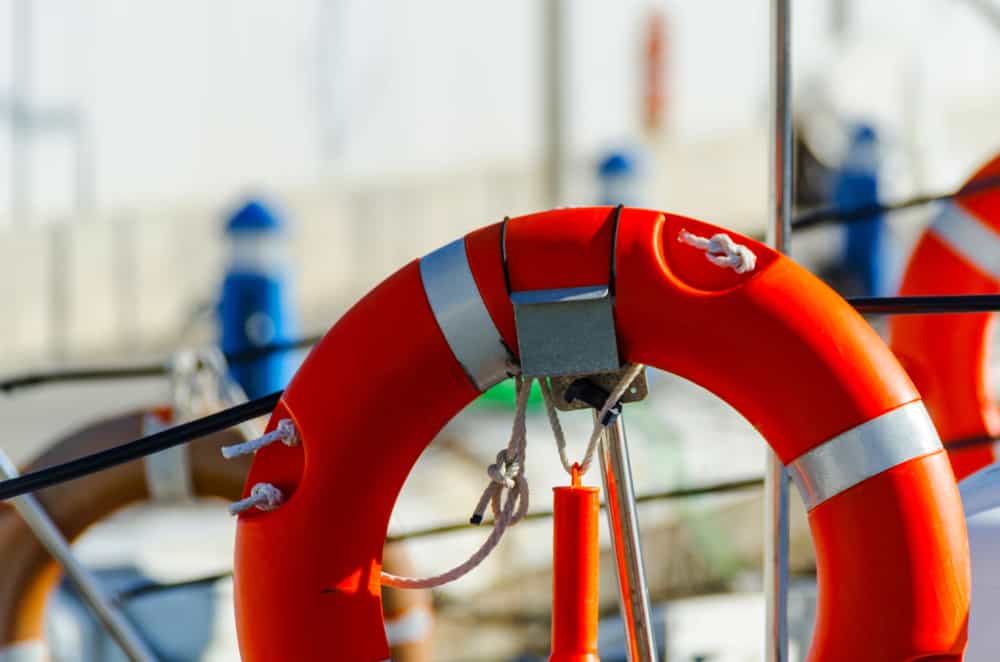
orange lifebuoy attached to boat

Dredging Sediment Control Monitoring

How Turbidity Monitoring Actually Works

The setup is straightforward. We position monitoring buoys at strategic locations around your work area. One goes upstream or offshore to establish background turbidity levels—that’s your baseline for natural conditions. Additional buoys go downstream or near sensitive areas like wetlands, seagrass beds, or shellfish grounds. These measure the actual impact of your dredging operation. Each buoy carries optical turbidity sensors at multiple depths. Surface sensors catch shallow plumes. Bottom sensors detect sediment that settles and resuspends. The sensors measure light scatter caused by suspended particles, converting that to turbidity readings in NTU. Our systems use wiped sensors that self-clean, reducing false readings from biofouling in Long Island’s biologically active waters. Data transmits in real time via cellular or satellite telemetry. Your project manager sees current readings on a dashboard. Set threshold alerts and you’ll receive notifications when turbidity approaches permit limits. That gives you a response window—typically 15 to 30 minutes—to adjust operations before crossing into violation territory. The system logs everything automatically, creating the continuous compliance record that NYSDEC and USACE expect during permit reviews.

Environmental Compliance Monitoring Solutions

What's Included in Professional Monitoring

We handle the complete deployment. Our marine crews position and anchor the monitoring buoys using our support vessel fleet. We’re not dropping equipment and hoping it stays put—we use proper marine anchoring systems designed for Long Island’s currents and weather. The buoys themselves are sized for visibility to boat traffic while remaining stable in wave action. Sensor selection matters. We match turbidity sensors to your project conditions and permit requirements. Some projects need ISO 7027 compliant sensors. Others specify particular measurement ranges or detection limits. We configure systems that meet your permit specifications while providing reliable data throughout the monitoring period. Maintenance happens on schedule. Sensors get cleaned and calibrated at regular intervals. We cross-check readings against reference instruments to verify accuracy. If a sensor drifts or a buoy shifts position, we catch it and correct it. When storms roll through or site conditions change, we adjust the setup as needed. You’re not managing equipment logistics—you’re getting continuous, quality-controlled data from professionals who do this for a living.
Offshore Support Vessel
Turbidity Monitoring FAQs

Common Questions About Our Service

Real-time monitoring systems detect turbidity changes within minutes. Our sensors take readings continuously—typically every 5 to 15 minutes—and transmit data immediately via cellular or satellite connection. When turbidity levels approach your permit thresholds, you receive automatic alerts. This gives you a response window to adjust dredging rates, modify equipment operation, or pause work before exceeding compliance limits. Compare that to spot sampling, which might happen once or twice daily. By the time a spot sample reveals elevated turbidity, you could already be in violation. With continuous monitoring, you’re managing conditions proactively rather than discovering problems after the fact. That’s the difference between maintaining compliance and explaining violations to regulatory agencies.
Buoy placement follows a standard compliance monitoring pattern. We position one background monitoring buoy upstream or offshore from your dredging area. This establishes baseline turbidity levels for natural conditions—tides, weather, and seasonal variations all affect background turbidity. Then we deploy monitoring buoys downstream or adjacent to sensitive areas that your permit identifies for protection. These might be near seagrass beds, shellfish grounds, wetlands, or public beaches. The downstream buoys measure actual turbidity from your dredging operation. The difference between background and downstream readings shows your project’s impact. For larger projects or areas with complex currents, additional buoys may be needed. We determine exact positions during site assessment, accounting for Long Island Sound’s tidal patterns, prevailing currents, and the specific work zones in your dredging plan.
Long Island waters require robust monitoring equipment. We use optical turbidity sensors with automatic wiping systems. The wipers clean sensor optics on schedule, preventing biofouling from affecting measurements. This matters because Long Island Sound and local bays have high biological activity—algae, bacteria, and marine growth accumulate on submerged equipment quickly. Without wipers, sensors give false high readings within days. We deploy sensors at multiple depths using either perforated deployment pipes for near-surface monitoring or suspended sensor strings for deeper configurations. The buoys themselves need adequate size for visibility to marine traffic while remaining stable in wave action. Our systems use cellular telemetry where coverage exists, switching to satellite communication for offshore locations. Power comes from solar panels with battery backup, supporting continuous operation through cloudy periods and winter months. All equipment gets calibrated to your permit specifications, whether that’s NTU, FNU, or other turbidity units that NYSDEC or USACE require.
Industry data shows that compliance monitoring averages one to five percent of total dredging project costs. The actual investment depends on project duration, the number of monitoring locations your permit requires, water depth, site accessibility, and how frequently sensors need maintenance. A short-duration project in protected waters with two or three monitoring buoys costs less than a months-long offshore dredging operation requiring extensive monitoring coverage. What matters more than the upfront cost is what monitoring prevents. A single permit violation can halt your entire project. Regulatory penalties, work stoppages, and schedule delays cost far more than professional monitoring. The data also provides operational value—you’ll identify which dredging methods minimize turbidity, allowing you to optimize productivity within environmental constraints. Many contractors find that real-time monitoring actually reduces project costs by preventing shutdowns and enabling more efficient operations during favorable conditions.
Turbidity limits vary by project and location. NYSDEC sets site-specific thresholds based on background conditions, sensitive receptors, and the type of work being performed. Some permits specify absolute NTU limits. Others use relative thresholds—allowing turbidity to increase by a certain amount above background levels. Typical limits might be 50 NTU above background at the compliance boundary, but this varies significantly. Permits also specify where monitoring occurs and at what depths. Some require surface measurements only. Others mandate monitoring throughout the water column. The monitoring frequency matters too—continuous monitoring versus periodic spot checks. Your Section 401 Water Quality Certification from NYSDEC and any USACE Section 404 permit will detail specific requirements. We review these permit conditions during project planning to ensure monitoring systems meet all specifications. The key is understanding that limits reflect local conditions. What’s acceptable in one location may not be in another, depending on nearby habitats and existing water quality.
Yes, and this is one of the most valuable uses of real-time monitoring. Silt curtains and turbidity barriers are designed to contain sediment plumes within the work area. But how do you know they’re actually working? Visual inspection only tells you if the curtain is intact—it doesn’t show whether sediment is escaping underneath or around the containment system. By positioning turbidity sensors inside and outside the silt curtain perimeter, you get direct measurement of containment effectiveness. If readings inside the curtain are elevated but outside readings remain near background levels, your containment is working. If outside sensors show turbidity spikes, you know sediment is escaping and can investigate why. Maybe the curtain skirt isn’t reaching the bottom. Perhaps anchors have shifted, creating gaps. Or current conditions are overwhelming the containment design. Real-time data reveals these problems immediately, allowing you to adjust curtain configuration, add sections, or modify operations before sediment reaches protected areas. This is particularly important during storms or high-current periods when containment systems face maximum stress.

Site Assessment and Permit Review

We review your dredging permits, identify monitoring requirements, and survey the site to determine optimal sensor locations based on currents and sensitive receptors.

System Deployment and Calibration

Our marine crews deploy monitoring buoys using support vessels, install sensors at specified depths, establish telemetry, and verify system operation with baseline readings.

Continuous Monitoring and Reporting

Real-time data flows to your team throughout the project, with regular maintenance visits, compliance reporting, and immediate alerts when conditions approach permit thresholds.